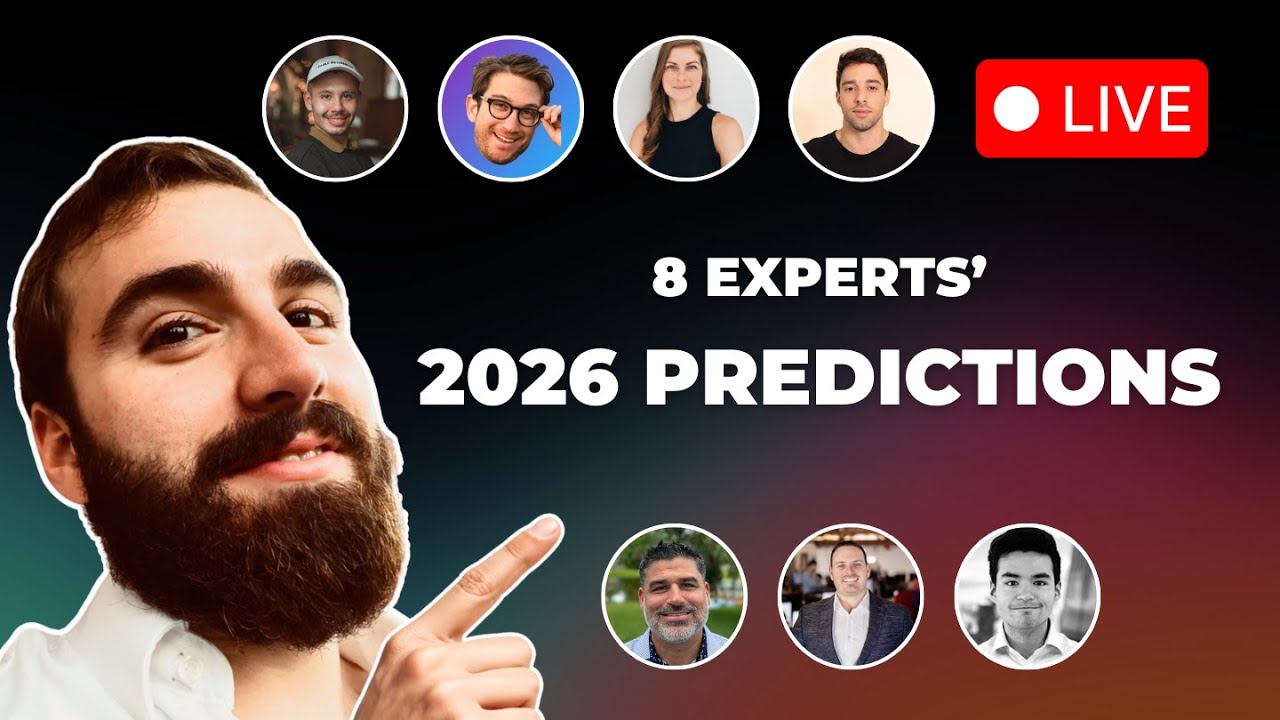
Newsletters are far from finished. In fact, next-wave opportunities are emerging across channels, formats, monetization models, and inbox behavior. Top practitioners from media, deliverability, growth, and product shared their strongest bets for 2026 — practical predictions you can test or prepare for today.
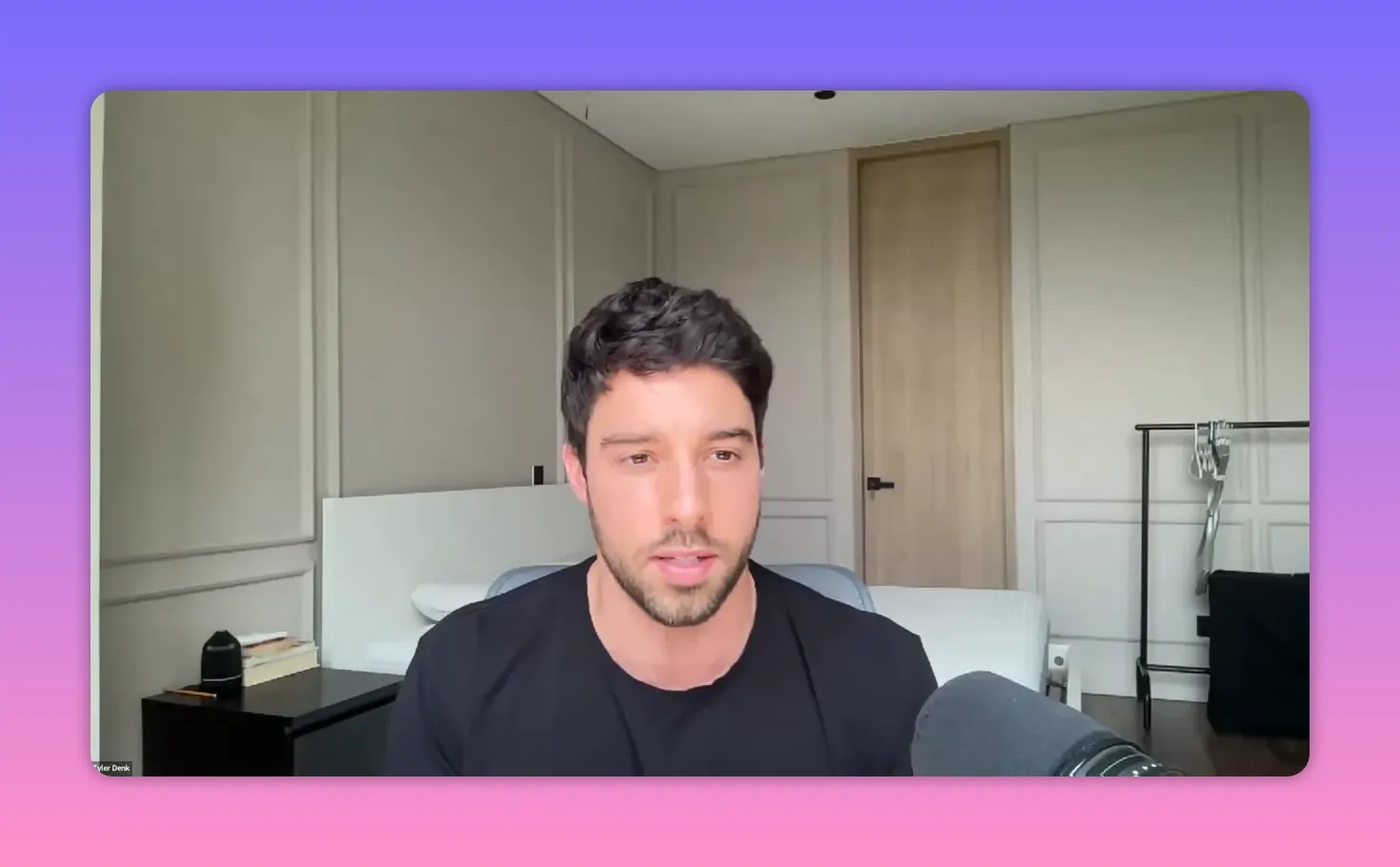
Table of Contents
- Big picture: newsletters are the hub
- Multi-channel strategies that actually work
- Prediction: SMS will matter, but it’s not a silver bullet
- Anti-AI bet: human expertise will win attention
- Clicks over opens: design for action
- Inbox evolution: prepare for algorithmic sorting
- Deliverability and measurement changes to watch
- Monetization shifts: high-ticket and paid formats
- Growth tactics you can use right now
- Format innovation wins attention
- Action checklist for 2026
- Are newsletters saturated now?
- How should I prioritize channels: email, SMS, community, podcast?
- What are human-verified clicks and why do they matter?
- How can I grow my first 1,000 subscribers?
- Should I sell my newsletter or try to grow it?
- Closing thought
Big picture: newsletters are the hub
Several experts called newsletters the natural hub of an owned audience. Build an email list first, then push subscribers into complementary channels: community, SMS, podcast, YouTube, events, and paid products. That hub-and-spokes approach turns attention into higher-value outcomes — conversions, recurring revenue, and product feedback — not just vanity metrics.
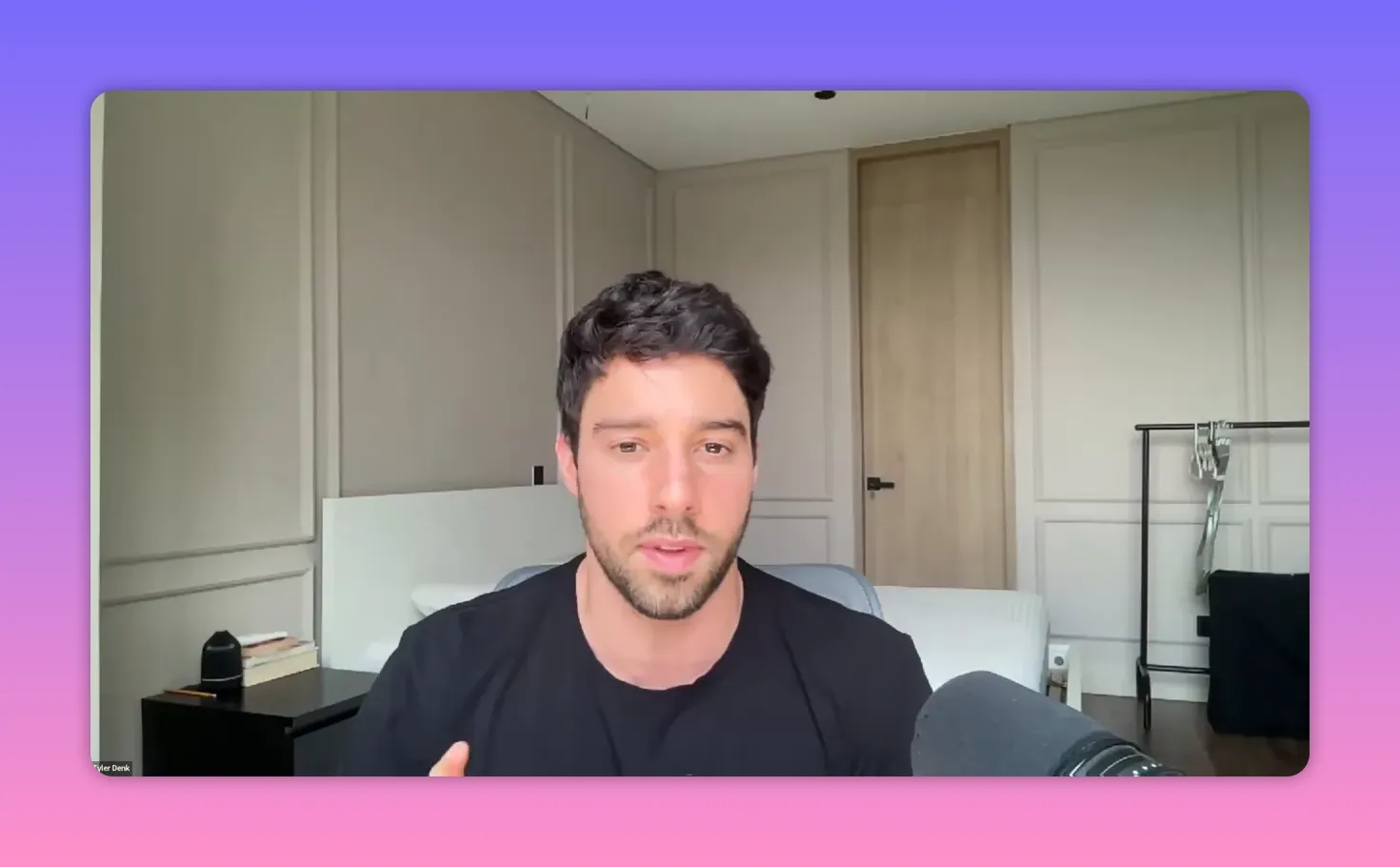
Tyler Denk argues newsletters act like a "gateway drug": once people opt into a newsletter they are primed to join other channels and buy small digital products or premium tiers. He and others point out how easy it is to convert an engaged list into a profitable multi-channel business using simple products, events, or courses.
Multi-channel strategies that actually work
- Email first: Acquire with email, then convert to SMS, community, or paid tiers.
- Repurpose to long-form video: Convert daily or weekly newsletters into a YouTube recap to unlock strong CPMs and reach viewers who consume on TV.
- Low-effort digital products: Short playbooks, templates, or recorded tutorials can sell quickly to an engaged list — and often recover platform costs in minutes.
Prediction: SMS will matter, but it’s not a silver bullet
SMS is powerful for timely reminders, event registration, and behind-the-scenes access, but it has trade-offs: cost per send, compliance risk, and a higher annoyance factor for recipients. Use SMS selectively — for premium tiers, VIP updates, or as a conversion lever — rather than daily content dumps.
Anti-AI bet: human expertise will win attention
There’s enthusiasm for AI-driven volume, but many experts believe automated, generic newsletters will underperform. AI helps with editing, summarization, and workflow efficiency. It is not a replacement for human insight, first-person experience, and the credibility that comes from doing the work and reporting back. Authentic storytelling and real expertise will continue to outperform mass-produced AI slop.
Clicks over opens: design for action
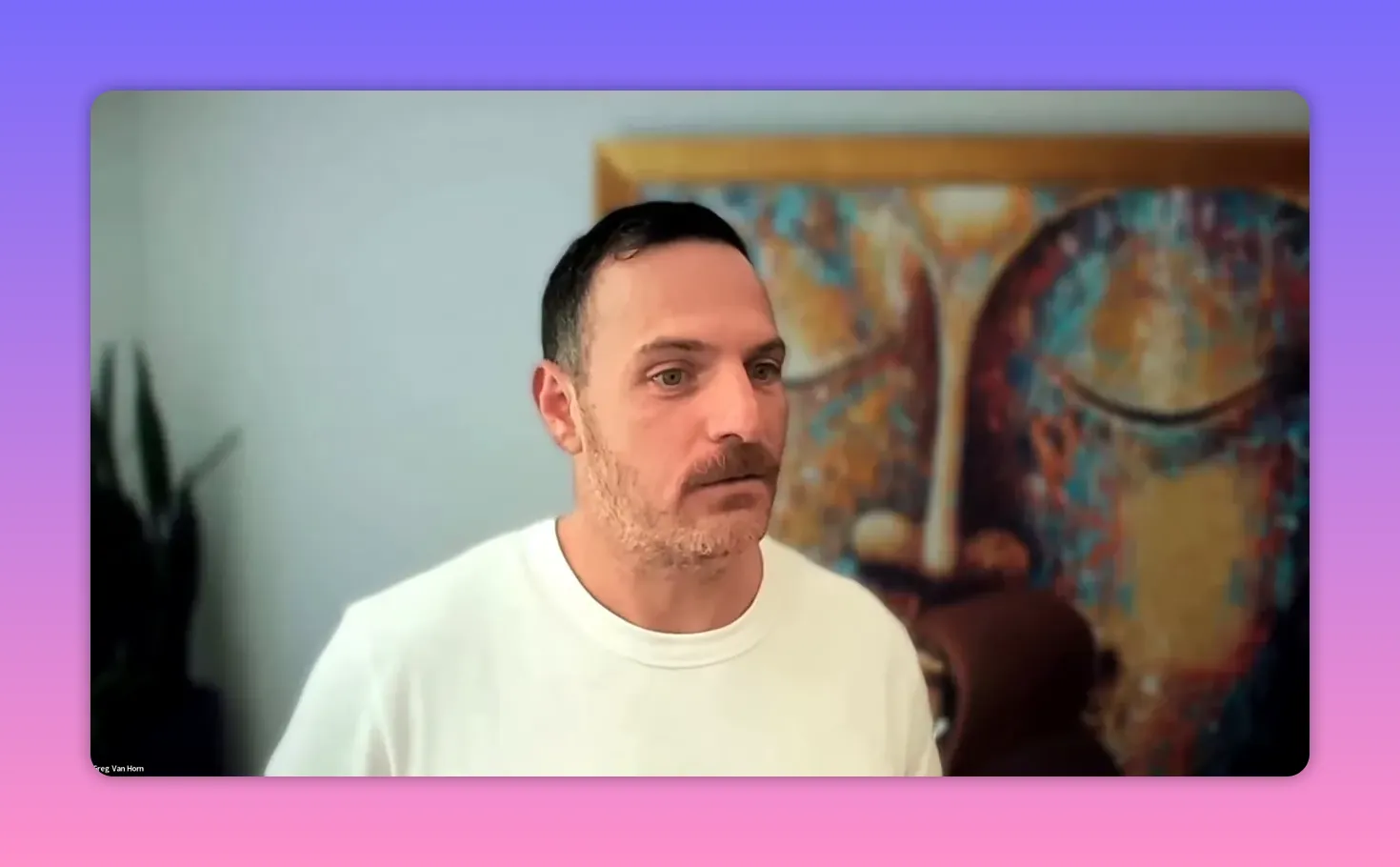
Open rates are noisy and inflated by proxies, security fetches, and platform changes. The advertisers and platforms that matter are shifting toward measurable human engagement — clicks that lead to downstream behavior. Greg Van Horn and Chris Miquel emphasize designing newsletters to drive clicks and downstream actions, not just passive reading.
- Train readers to click — use clear links, “go deeper” CTAs, and bite-sized previews to encourage readers to take the next step.
- Measure verified engagement — platforms and ESPs are launching AI-verified human click metrics to distinguish real behavior from bots.
- Monetize from clicks — high-quality clicks convert better for advertisers and for your own products, making higher CPMs and sponsorships more defensible.
Inbox evolution: prepare for algorithmic sorting
Inbox providers are experimenting with algorithmic ordering, preferred sources, and summarization features. That means time-of-send will matter less than long-term engagement signals: replies, forwards, saves, and verified clicks.
Recommendations:
- Prioritize relationship metrics: encourage replies, ask micro-surveys, and create welcome autoresponders that prompt interaction.
- Be a preferred source: build a brand and habit strong enough that users or platforms will mark your content as essential.
- Prepare for summaries: platforms will offer automatic summaries. Make your voice and unique perspective the reason someone reads beyond the summary.
Deliverability and measurement changes to watch
Expect Gmail and other ISPs to become more aggressive about cleaning inactive recipients. Chris Miquel predicts auto-unsubscribe functionality that will quietly remove users who never engage. That’s a feature, not a bug: it reduces infrastructure cost for inbox providers and pushes creators toward engagement-first lists.
Meanwhile, “human-verified clicks” are becoming the new currency. ESPs and ad buyers will increasingly ask for verified engagement metrics when valuing placements or agreeing to campaigns. If you sell ads, be prepared to show real people clicking and converting, not inflated opens.
Monetization shifts: high-ticket and paid formats
Several experts encourage treating newsletters as funnels to high-ticket offerings: agencies, SaaS, events, courses, and coaching. When LTV (lifetime value) per subscriber is high, you can afford to pay more for acquisition and buy premium inventory like newsletter ads. Marketing Max and Nathan May highlight that even small, highly targeted lists can power substantial revenue if your back-end offers are valuable.
- Paid challenges: multi-day, low-ticket paid workshops (typically $49 to $99) that deliver deep value and funnel attendees into high-ticket programs.
- Invite-only newsletters: create scarcity and trust for B2B and executive audiences. Invite-only lists convert to high-ticket services much more efficiently.
- Newsletter ad buys: buying placements in other newsletters delivers higher-quality leads than many social channels and scales well for publishers with productized offers.
Growth tactics you can use right now
Lead magnet swaps
Daniel Bustamante recommends collaborative lead magnets as the organic alternative to paid newsletter ads. Create a high-value asset, partner with a complementary publisher or creator, and swap promotions for several days. This produces highly relevant, high-LTV subscribers without paid media.
Paid multi-day challenges
Run a paid multi-day challenge to deliver immediate value and qualify prospects for high-ticket offers. Keep sessions actionable (about 90 minutes each), price them affordably, and over-deliver so participants move down the funnel.
Acquire vs. build
Expect a busy M&A market for newsletters. Smaller newsletters will be attractive acquisitions for brands that can fold audiences into larger portfolios. If you sell, be realistic about valuation: buyers are focused on ARPU and retention, not raw subscriber counts. If you buy, structure an earn-out based on engaged, retained subscribers to manage risk.
Format innovation wins attention
Newsletters that don't “feel like newsletters” — memos, alerts, concise formats, or highly specific signals — will stand out. Reframe the value proposition: trading alerts, company memos, behind-the-scenes build logs, or single-minute insights can be more compelling than another generic digest.
Action checklist for 2026
- Map your hub: make email the primary acquisition channel and identify 1–2 secondary channels to activate immediately.
- Design click-first content: include intentional CTAs that send readers downstream to offers or deeper content.
- Build at least one high-ticket offer or paid funnel you can promote to your list.
- Run a lead magnet collaboration with one complementary publisher in the next 30 days.
- Measure verified engagement: track human-verified clicks, replies, and conversions — not just opens.
- Survey your audience quarterly to surface product ideas and high-value pain points.
Are newsletters saturated now?
No. While more newsletters exist, scarcity of attention favors high-quality, differentiated voices. Quality still rises to the top, and email remains a uniquely owned and indispensable communication channel for many people.
How should I prioritize channels: email, SMS, community, podcast?
Start with email as the hub. After a subscriber opts in, onboard them into one additional owned channel based on your audience: SMS for timely alerts and VIPs, community for long-form engagement, podcast or YouTube for discovery. Don't try them all at once.
What are human-verified clicks and why do they matter?
Human-verified clicks are engagement metrics that use heuristics and AI to filter out bot or proxy-driven activity. They matter because advertisers and platforms are shifting toward metrics that reflect real audience behavior, which directly correlates with conversion and revenue.
How can I grow my first 1,000 subscribers?
Choose a monetization intent, pick a lead magnet tied to your best content, and use targeted partnerships. If you have organic followings, funnel them via DMs or ManyChat into your landing page. If not, run collaborative lead magnet swaps with complementary newsletters to get high-quality signups quickly.
Should I sell my newsletter or try to grow it?
It depends on your goals. If you want immediate liquidity or lack interest in growth and monetization work, selling can be sensible. If you aim to build a high-LTV business, double down on monetization: productize services, run paid challenges, and measure subscriber LTV before deciding.
Closing thought
Email is evolving from raw subscriber counts to engagement, experience, and business outcomes. The next wave favors creators who design newsletters as strategic funnels — anchored by human expertise, amplified across channels, and measured by real actions. Prepare for engagement-first inboxes, refine what you sell, and experiment with formats that make readers want to click and come back.
How Business Owners Are Using ChatGPT – Survey Form |
|
Google Form |
| Click me |


